Article
The Speech Accessibility Project is partnering with Pathfinder Village to recruit adults with Down syndrome to participate in its research across the state of New York.
Pathfinder Village is an internationally renowned open-access neighborhood where individuals with Down syndrome and developmental disabilities make lasting friendships, learn about community and gain independence.
The project, supported by Amazon, Apple, Google, Meta and Microsoft, records people with diverse speech patterns to improve voice recognition technology. It’s currently recruiting U.S., Canadian and Puerto Rican adults with amyotrophic lateral sclerosis, cerebral palsy, Down syndrome and those who have had a stroke.
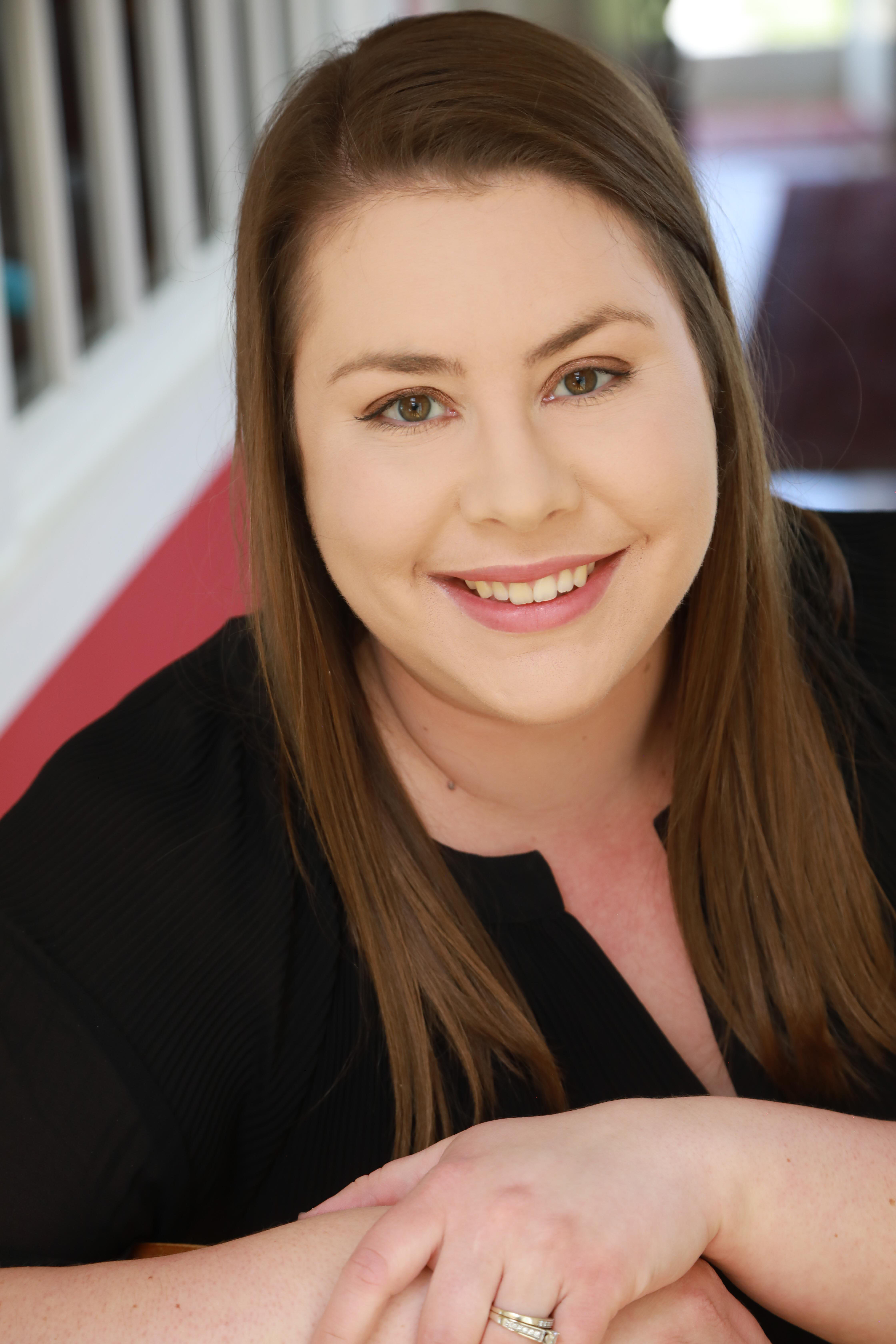
The project fits with Pathfinder Village’s goal to make sure people with Down syndrome have access to today’s technology, said Brittany Goodrich, director of The Kennedy Willis Center. It’s Pathfinder Village’s education and research center.
“Having the opportunity to participate in this project emphasizes the importance of a broader, more intentional movement of inclusion,” Goodrich said. “Many adults we support encounter challenges and feelings of frustration when using existing technology platforms that may not understand their unique speech patterns.
“We have many adults using their voices to help improve speech recognition for themselves and their friends, and we’re proud to support their efforts and amplify their impact.”
Mark Hasegawa-Johnson, a professor of electrical and computer engineering at the University of Illinois Urbana-Champaign and the project’s leader, said he’s grateful to be working with Pathfinder Village.
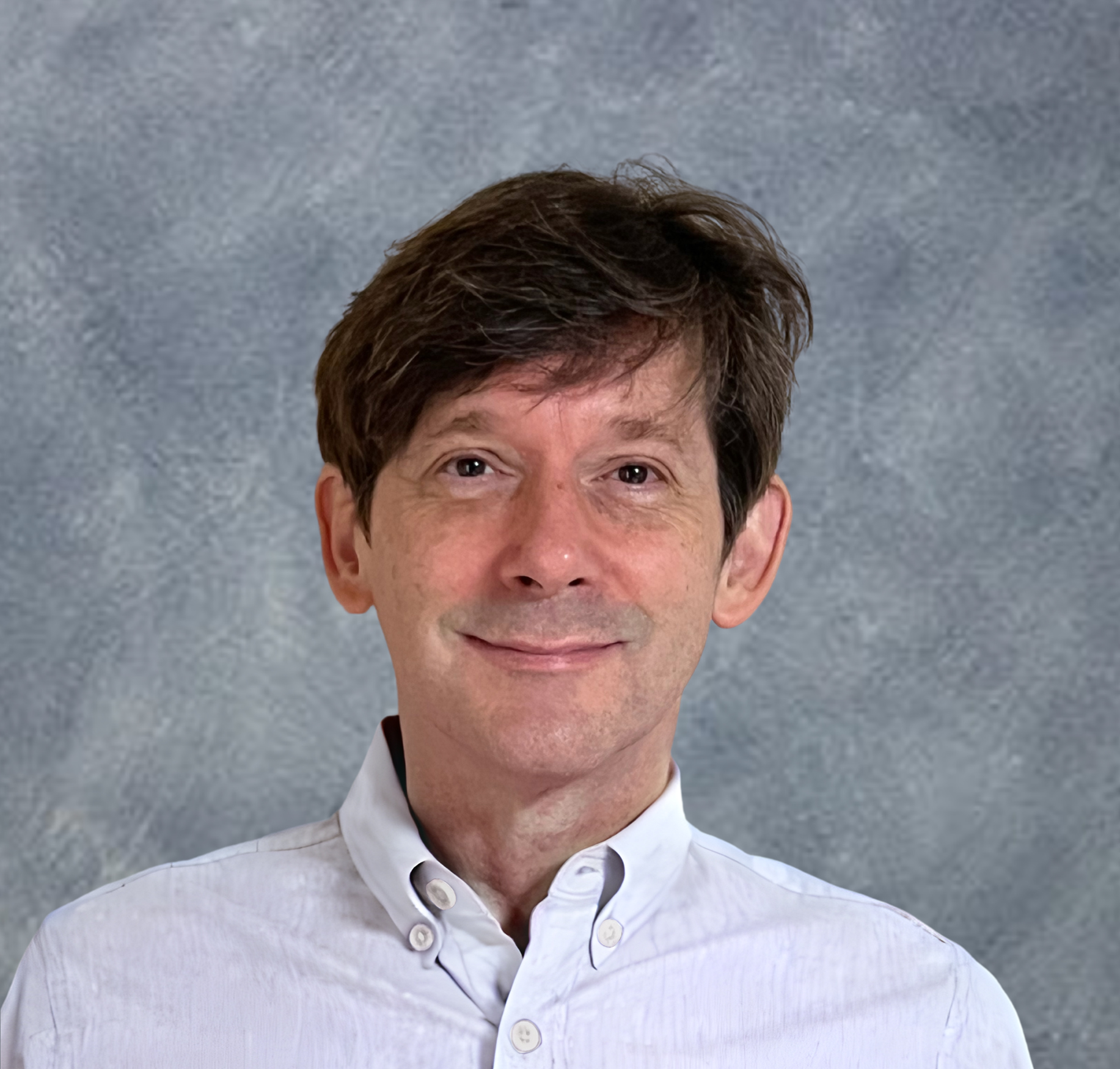
“As we’ve created the largest database of atypical speech, we’ve learned that working with trusted organizations is key to finding participants who want to share their voices to improve speech recognition technology,” Hasegawa-Johnson said. “Pathfinder Village’s outstanding work to support the Down syndrome community makes it an ideal partner for the Speech Accessibility Project.”
It’s mutual, Goodrich said.
“We are excited to participate in this important initiative and contribute to meaningful change as technology systems become more widely available and relied upon for everyday life,” she said. “Ensuring people with Down syndrome have equitable access to technology will enhance opportunities for self-advocacy, social inclusion and independence.”
Speech Accessibility Project
405 N Mathews Ave., Urbana, IL 61801