Conduct research through the project
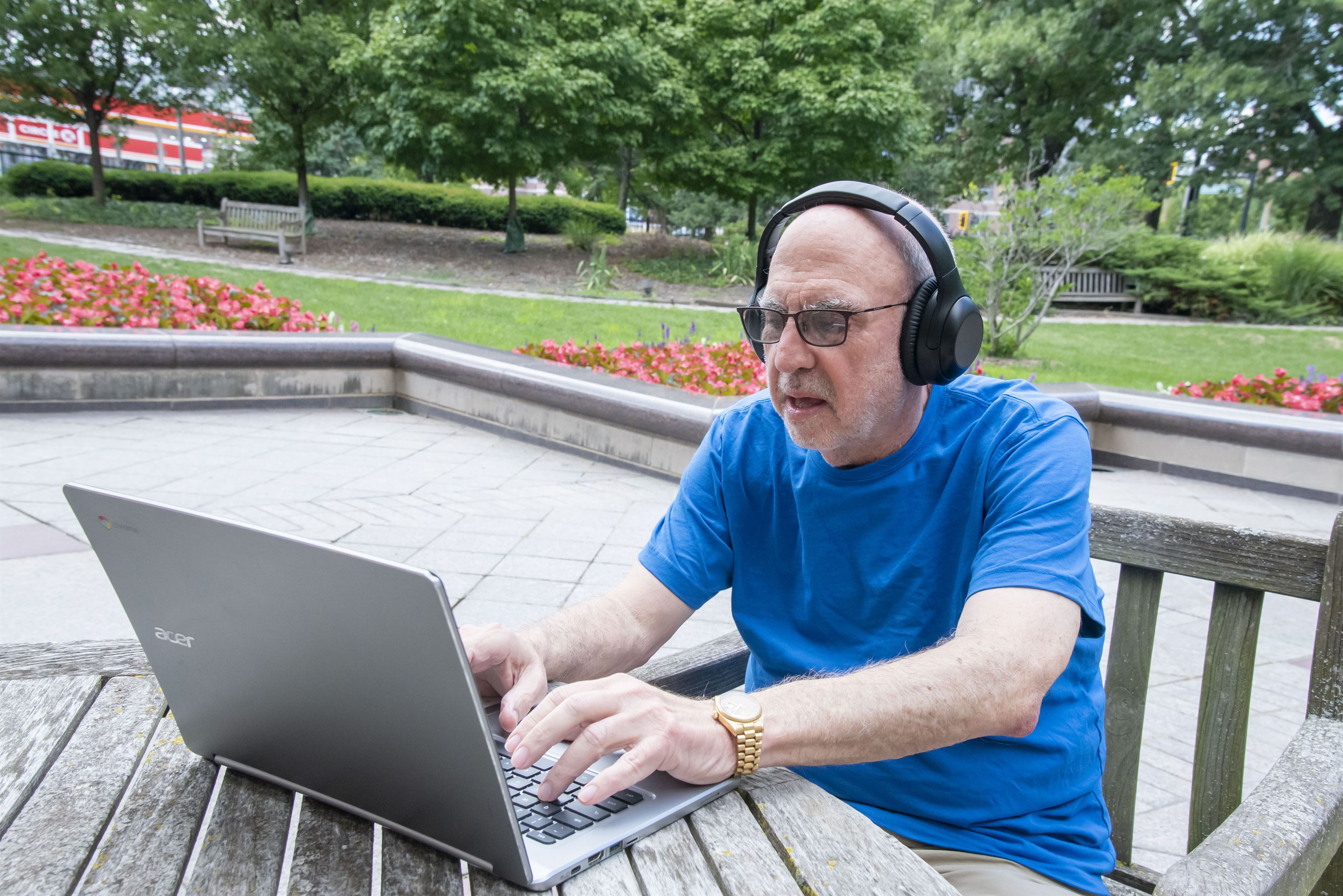
The Speech Accessibility Project is accepting proposals for researchers, companies and nonprofits that want to use our recordings and annotations to make technology accessible to all.
The Speech Accessibility Project is accepting proposals for researchers, companies and nonprofits that want to use our recordings and annotations to make technology accessible to all.
Propose a use of the project's data
Anyone using data from the Speech Accessibility Project must sign our general data use agreement.
The DUA requires signatures from two different people at your organization. One signature is from the user of the data. The other signature is an authorized representative of your university or company.
The "Recipient" in the DUA is the name of the university or company; the "Recipient Scientist" is the user of the data; and the "Authorized Official of Recipient" is the individual at your organization responsible for approving the DUA. The "Authorized Official of Recipient" must be a different person than the "Recipient."
Ensure a quick and efficient review of your DUA by checking that requirements have been met before submitting:
The email addresses must be organizational, and not a personal email.
Be sure the full institution address has been filled in, and is visible, on the box on the second page.
There must be a signature in the box on the second page by the organization’s signing official.
The maximum duration of the DUA cannot exceed 3 years.
Failure to meet at least one of these requirements will result in your DUA being returned for correction, thereby slowing down your review.
For further guidance on filling out the DUA, use this annotated template.
If you'd like to use our data, please submit your signed agreement and a one-page proposal about your plans for the data to the Speech Accessibility Project team.
The current data package includes 1,500 hours of recorded speech (as .wav files) from about 999 participants, including those with ALS, cerebral palsy, Down syndrome, Parkinson’s disease and those who have had a stroke.
The download also includes text of the original speech prompts and a transcript of the participants’ responses. A subset includes annotations describing the speech characteristics and how they affect participants.
Have questions?
Cite the Speech Accessibility Project
To cite the Speech Accessibility Project dataset, please reference this publication.
About 65 organizations are using our data. They include:
Speech Accessibility Project
405 N Mathews Ave., Urbana, IL 61801