Article
Janice Timlin and Grady Redmond, both speech language pathologists at The Mary Campbell Center in Wilmington, Delaware, recently assisted residents
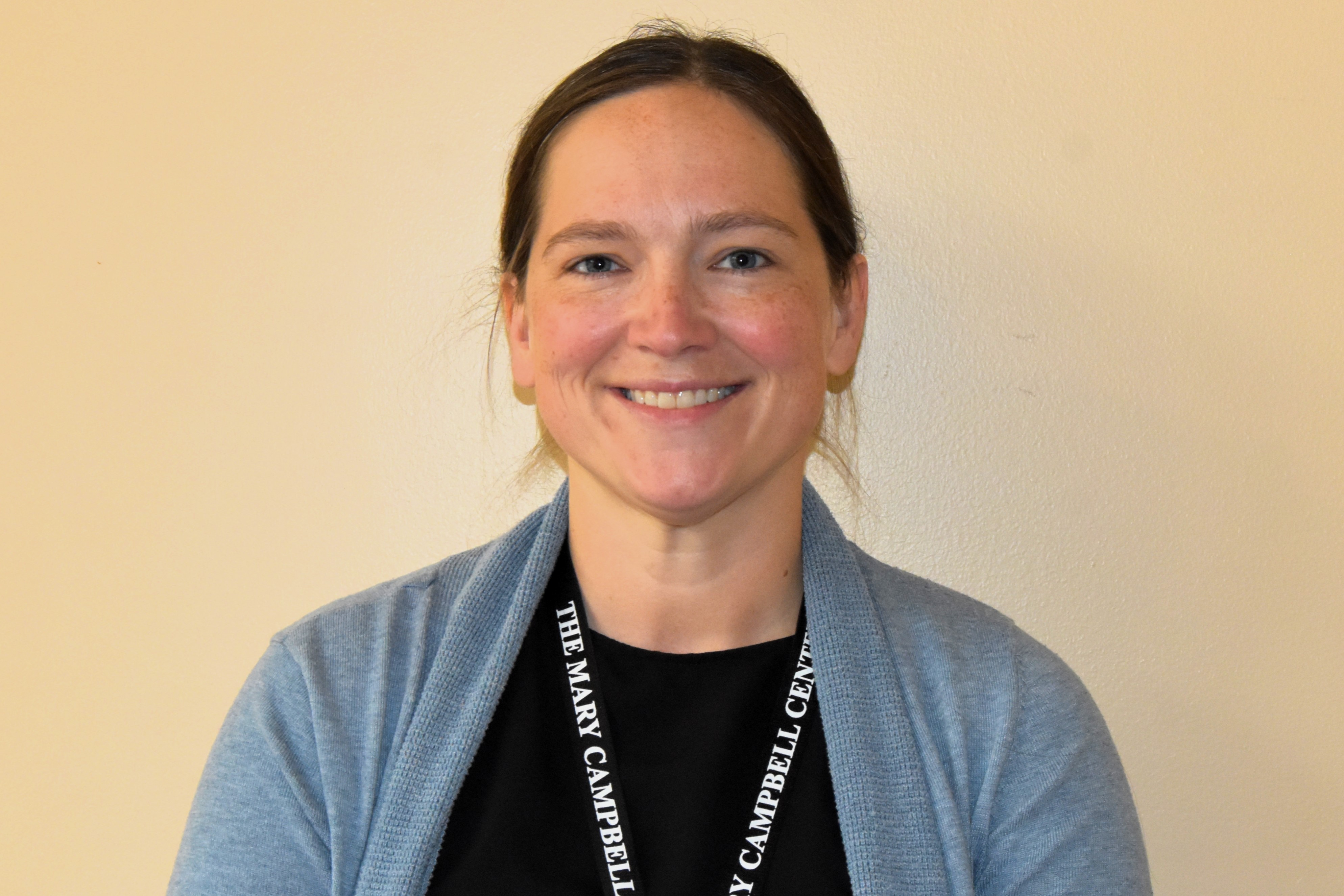
Participant Q&A: Residents of The Mary Campbell Center share their thoughts who participated in the Speech Accessibility Project. They shared their thoughts on the project and what it means for people who use assistive technology.
Why did you encourage your residents to participate?
Grady: This seemed like such a fun and unique opportunity for our residents. It gave them a chance to feel like they were a part of something bigger and allowed them to help others.
Janice: Many of our residents use voice technology to enhance their independence and are frustrated when the technology fails them. This was an opportunity for them to take an active role in improving the technology while advocating for themselves and their peers.
What was it like to assist with recording the project?
Grady: For an SLP, tough! Some of the residents I assisted are ones that have been working with me in sessions to help improve vocal fatigue, intelligibility and volume. It felt weird not giving them that reminder prompt to use their strategies, but I know the technology can only get better with a variety of atypical speech productions.
Janice: This was a strange process for a SLP. We are used to teaching and facilitating the use of speech intelligibility strategies, so it was hard to stay quiet and not encourage the residents to use their well–learned techniques. The residents would also recognize they weren’t using their strategies at times and would want a do-over. I needed to reassure them that the use of imprecise speech was encouraged for the project in order to improve the technology.
Why is the Speech Accessibility Project important to you as an SLP?
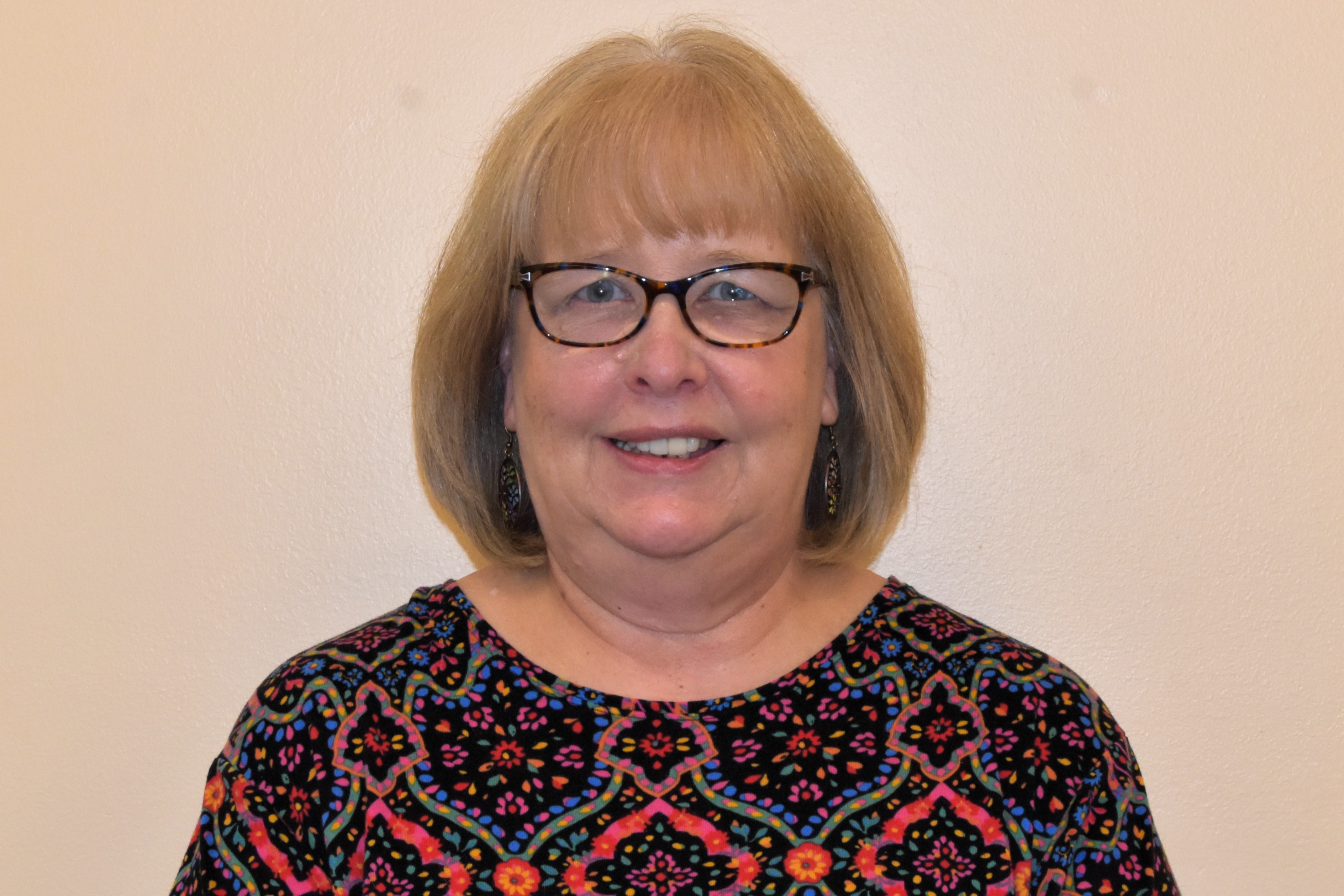
Janice: I have watched technology greatly improve the lives of people with disabilities by offering them greater independence, autonomy and equity, but there remain many opportunities for further advancement. The speech recognition systems currently available continue to struggle to understand diverse speech patterns, and I am hopeful that this project will help to alleviate that, and aid in all voices being heard and understood.
Speech Accessibility Project
405 N Mathews Ave., Urbana, IL 61801